About Us
Standing in the Gap for Her
HER Campaign exists to bridge the gap between rescue and lasting freedom for survivors of human trafficking.

"HER Campaign is not simply about ending trafficking — it's about reclaiming destiny, restoring dignity, and creating a world where survivors don't just survive — they thrive."
Britney Higgs, FounderOur Story
Born From a Cry
For Restoration
In 2016, founder Britney Higgs returned from Iraq forever changed after sitting with women rescued from the hands of ISIS. Though physically free, she saw clearly that many survivors were still bound by invisible chains—trauma that rescue alone couldn't heal.
A question became her heart cry: What happens after rescue?
Back in the United States, the answer was sobering. There was a critical gap—survivors lacked access to the long-term, restorative care needed to truly heal, rebuild, and step into freedom. It became a call not just to respond globally, but to address the urgent need within our own nation.
HER Campaign was founded to meet that need.
Not just a program. A promise. Her fight is our fight.
What We Stand For
Our Values
Survivor-Centered
Every decision, program, and policy places the survivor at the center of the conversation.
Trauma-Informed
Our care model is grounded in evidence-based, trauma-informed clinical practices.
Faith-Rooted
We believe every person has inherent worth and a God-given destiny worth fighting for.
Excellence-Driven
We pursue the highest standard of care, accountability, and transparency in everything we do.
Community-Built
Lasting freedom requires a village — partners, advocates, and champions standing together.
Scalable by Design
Our model is built to replicate, ensuring more survivors can access life-giving care nationwide.
National Leadership
The Team Behind
The Mission
Visionaries, healers, and strategists united by a passion for empowering survivors and driving meaningful change.
Policy & Advocacy
Advocating for
State-Level Change
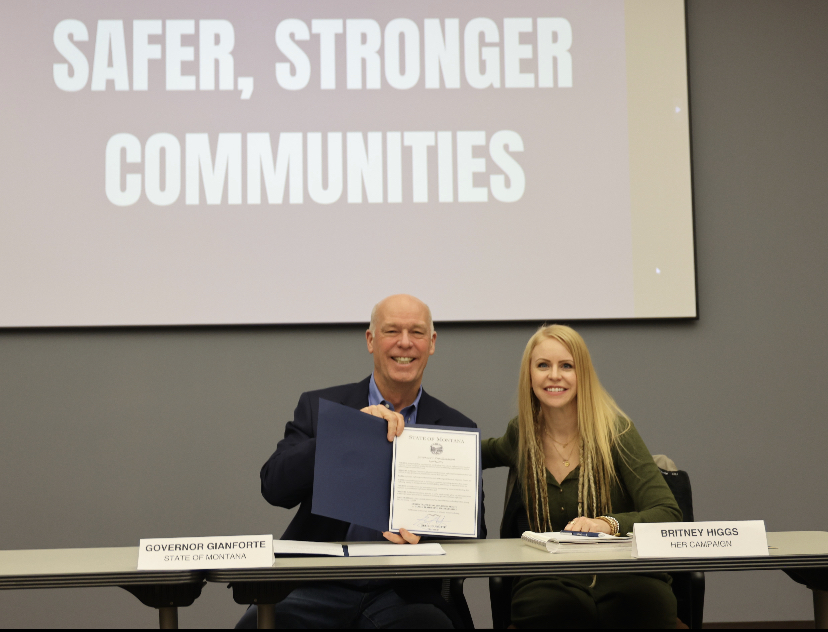
To raise aftercare standards for survivors, HER Campaign advocates for meaningful policy change. We work with local, state, and national partners to strengthen laws and ensure survivors have access to essential services and long-term support. Our efforts focus on improving aftercare, supporting transitions, and amplifying survivors' voices in shaping impactful policies.